In the rapidly evolving world of artificial intelligence and cybersecurity, few professionals have had the opportunity to operate at the highest levels of technological innovation. Yoni Ramon is one of them.
For more than a decade, Ramon was among Elon Musk’s most trusted cybersecurity experts, helping protect some of the most advanced technologies in the world. Today, he is leveraging that experience to build Pi, an AI-powered cybersecurity startup that emerged from stealth mode with a valuation of $100 million and $35 million in funding.
Before launching his own venture, Ramon spent six years leading Tesla’s internal hacking team, where his mission was simple but critical: think like an attacker before attackers do. His team infiltrated Tesla vehicles, robotics systems, solar products, and internal infrastructure to identify vulnerabilities and strengthen security before threats could emerge.
His expertise became even more valuable during one of the most scrutinized corporate acquisitions in recent history. Following Elon Musk’s purchase of X (formerly Twitter), Ramon was brought in to help secure the platform’s infrastructure and protect sensitive data during the transition.
Now, he is taking what he learned inside some of the world’s most innovative companies and applying it to a new challenge—helping organizations secure their digital environments with artificial intelligence.
Building the Future of Cybersecurity
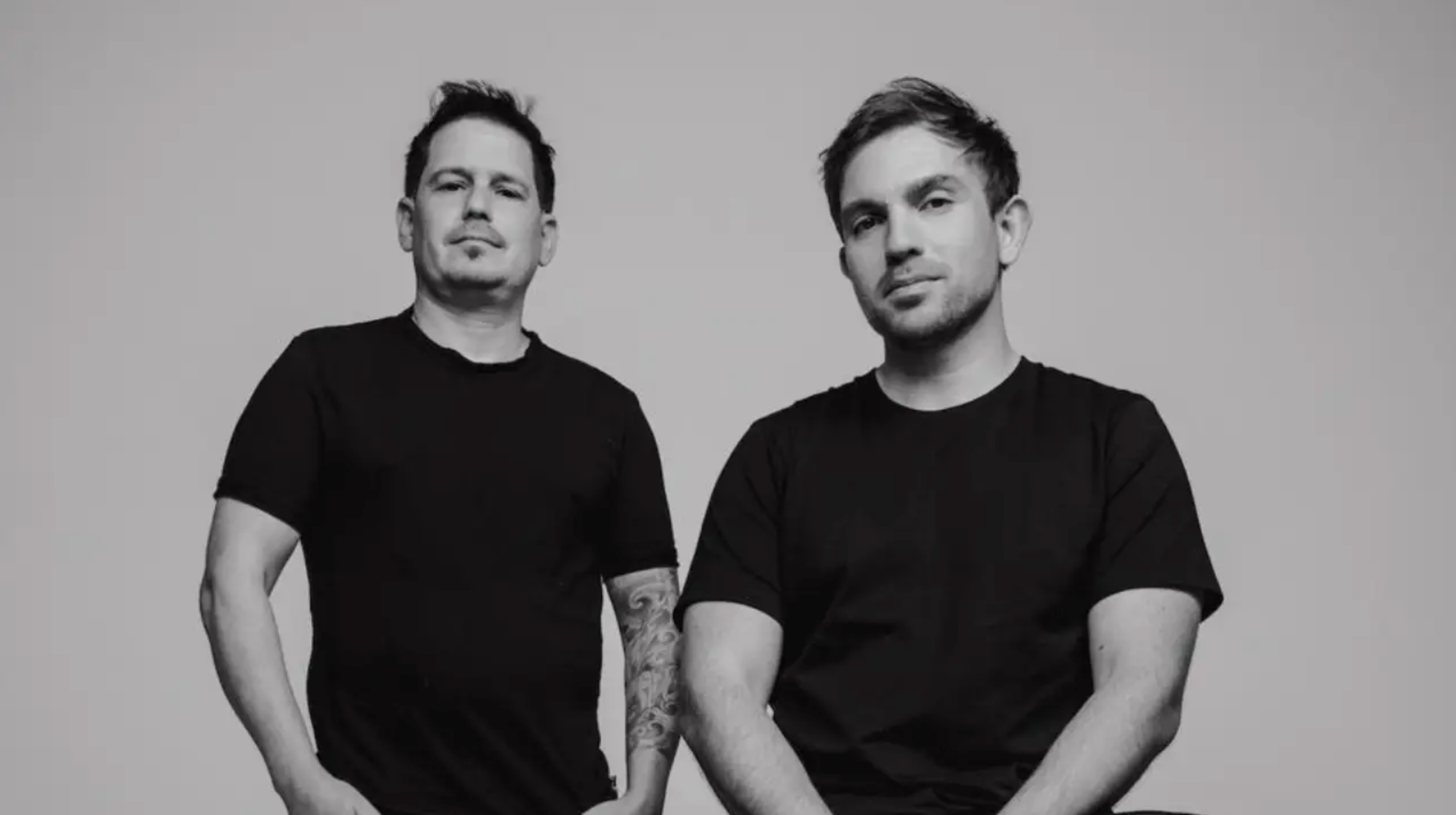
As Chief Product Officer of Pi, Ramon partnered with Guy Arazi, a former senior security researcher at Microsoft who now serves as the company’s CEO.
Together, they attracted backing from some of the cybersecurity industry’s most influential investors, including George Kurtz, CEO of CrowdStrike, as well as Yevgeny Dibrov and Nadir Izrael, co-founders of Armis. The funding round was led by Brightmind Partners and Third Point Ventures, signaling strong confidence in the company’s vision and technology.
Pi’s core innovation is what the company calls a “security brain”—an AI agent designed to function like an experienced cybersecurity expert who never forgets.
The platform analyzes a company’s entire security ecosystem, including source code, infrastructure, security incidents, policies, documentation, and internal communications. By understanding both the technical environment and the organization’s historical patterns, the AI can quickly determine which vulnerabilities require immediate attention and how they should be addressed.
“Our biggest strength is that we deeply understand the code, infrastructure, and the way organizations build software and products,” Ramon explained. “We learn and adapt, just like a human expert, while processing information at a scale and speed that would be impossible for traditional teams.”
Already Working with Musk’s AI Ecosystem
One of Pi’s earliest reported customers is xAI, Elon Musk’s artificial intelligence company behind the Grok chatbot.
The relationship highlights the level of trust Ramon continues to maintain within Musk’s technology ecosystem. xAI operates Colossus, one of the largest AI supercomputers in the world, making cybersecurity a mission-critical priority.
The startup is also gaining traction among enterprise customers. Mark Carter, Chief Information Security Officer at AI-powered travel and expense platform Navan, says Pi has significantly accelerated vulnerability remediation across his organization.
According to Carter, the platform investigates and proposes solutions for approximately 90% of reported security issues, reducing response times from days or weeks to just minutes in many cases.
A New Generation of Technology Leadership
As artificial intelligence transforms every industry, cybersecurity has become one of the most urgent challenges facing organizations worldwide. Yoni Ramon’s career reflects the growing convergence between AI, software development, and digital security.
From protecting Tesla’s groundbreaking technologies to helping secure X during a pivotal transition, Ramon has built a reputation for solving some of the most complex security problems in modern technology.
Now, through Pi, he is demonstrating how artificial intelligence can move cybersecurity from a reactive process to a proactive one—allowing companies to identify, prioritize, and resolve vulnerabilities before they become costly threats.
For entrepreneurs, innovators, and technology leaders, Ramon’s journey offers a powerful example of how deep expertise, strategic vision, and a willingness to embrace emerging technologies can create the foundation for the next generation of industry-changing companies.